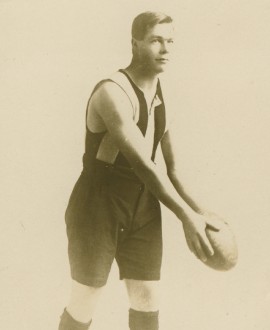
Jim Lawn: A Glimpse into the Career of a Collingwood Legend
jimlawn.com – Jim Lawn is a name that resonates in the history of Australian rules football. Known for his time with Collingwood in the Victorian Football League (VFL), Jim made a significant impact on the field during his career. While his football achievements are notable, his legacy as a dedicated player and his contributions to the Collingwood Football Club have earned him a lasting place in the hearts of fans.
In this article, we will explore Jim Lawn’s journey through the world of Australian rules football, his career highlights, and how his experiences can be connected to other strategic and mentally engaging activities, such as card games, which promote the development of similar skills in different contexts.
Jim Lawn’s Career with Collingwood
Jim Lawn played with Collingwood, one of the most prominent teams in the VFL, which later became the AFL (Australian Football League). His career with the club was defined by his commitment, resilience, and skill on the field. Known for his ability to read the game and make strategic plays, Jim made valuable contributions to his team’s performances, becoming a key player during his tenure.
While his career wasn’t as long as some of his contemporaries, Jim Lawn’s impact was nonetheless significant. He demonstrated leadership and sportsmanship, characteristics that not only defined his playing style but also left a lasting legacy with the Collingwood fans and within the VFL.
A Player with Mental Agility and Strategic Thinking
Much like other top-level athletes, Jim Lawn’s success on the football field wasn’t solely based on physical prowess—it was also about strategy, mental agility, and decision-making under pressure. Playing in the VFL required quick thinking, the ability to anticipate an opponent’s next move, and precise coordination with teammates, all of which mirror skills honed in other areas of life.
Just as Jim had to anticipate and react to various scenarios on the field, players engaging in card games also sharpen their decision-making and strategic thinking. Whether playing Bridge, Poker, or Rummy, card games require a similar mental focus. The ability to think ahead, predict outcomes, and adapt to new situations is critical in both football and card games.
The Strategic Element of Card Games: Similarities with Football
The mental sharpness required for card games is not unlike the strategic thinking needed in football. For example, a game of Poker involves reading your opponents, calculating odds, and making decisions based on incomplete information. Similarly, a footballer like Jim Lawn had to read the field, understand his teammates’ positions, and anticipate the moves of the opposition—all within seconds of play.
In both scenarios, players must make split-second decisions that have long-term consequences. For Jim, it might have been the decision to pass the ball or take a shot at goal, while for a card game player, it could be choosing whether to play a strong hand or fold. These decisions often require a blend of intuition, observation, and knowledge, making both football and card games mentally stimulating activities that encourage focus and quick thinking.
The Importance of Mental Focus in Sports and Games
Whether it’s playing football or engaging in a card game, mental focus is crucial. Jim Lawn’s ability to stay focused during intense matches allowed him to make crucial decisions that impacted the game’s outcome. Similarly, card games require players to concentrate on the present moment, analyze patterns, and adjust their strategies in real-time.
Playing card games can also be an excellent way to build and maintain mental discipline. Like the precision required in football, card games demand attention to detail and the ability to stay calm under pressure—traits that Jim Lawn displayed on the field.
The Link Between Football and Card Games: Enhancing Mental Agility
Interestingly, card games and football share more in common than most people realize. Both activities enhance mental agility and help develop important life skills, such as strategic planning, memory, and concentration.
As a card game player, you must anticipate your opponent’s next move, adjust your strategy based on limited information, and manage multiple variables. Similarly, a footballer must read the game, react to an opponent’s tactics, and make the best decisions for the team. Both require patience, adaptability, and mental resilience.
For athletes like Jim Lawn, engaging in activities that stimulate the mind—whether it’s through playing card games or analyzing game footage—can help hone the cognitive skills required on the field. The ability to think several steps ahead, a key trait in both football and card games, is essential for anyone striving to improve their performance.
Enjoying Card Games for Mental Relaxation
While card games are often thought of as competitive and mentally demanding, they can also serve as a form of relaxation and stress relief. After a long day of training or competition, athletes like Jim Lawn may find that playing a few rounds of card games helps them unwind while still engaging their minds.
Much like football, card games encourage social interaction, teamwork (in partnership games), and a sense of camaraderie. For fans and players alike, enjoying a game of cards with friends or teammates can be a way to relax and bond, making it a valuable activity both on and off the field.
Conclusion: The Lasting Legacy of Jim Lawn
Jim Lawn’s contributions to Collingwood and Australian rules football were significant, not just in his physical abilities but also in his mental focus, strategic thinking, and leadership on the field. As we’ve seen, these same skills are honed in, where concentration and strategy play key roles in the game’s success.
Whether it’s playing football at a professional level or sitting down to enjoy a friendly game of cards, the combination of mental sharpness and decision-making under pressure is what sets successful players apart. Jim Lawn’s legacy as a strategic player in Australian football serves as a reminder that both sports and games require more than just physical talent—they require a focused mind and the ability to make quick, smart decisions.

